Every Outcome Is Yours to Define
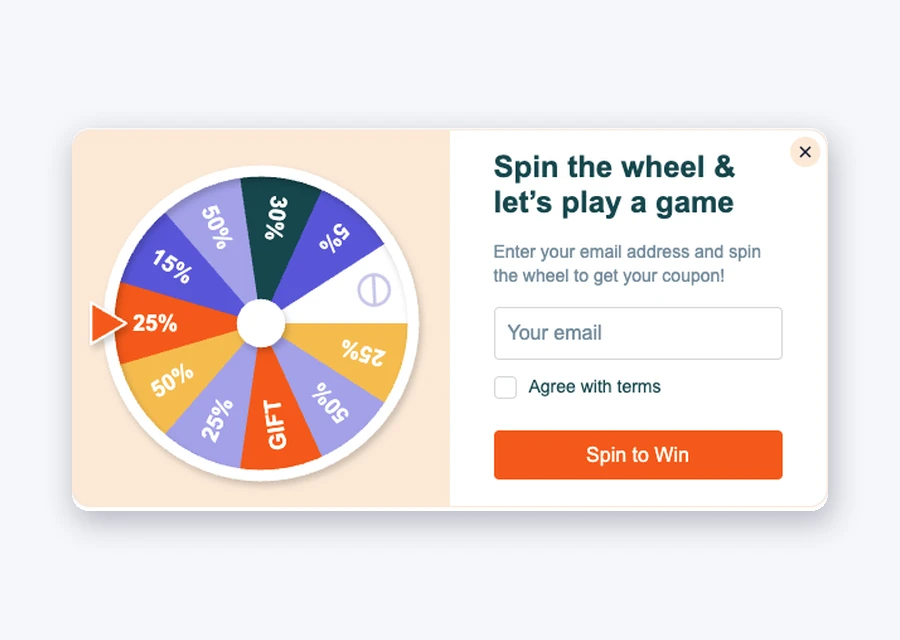
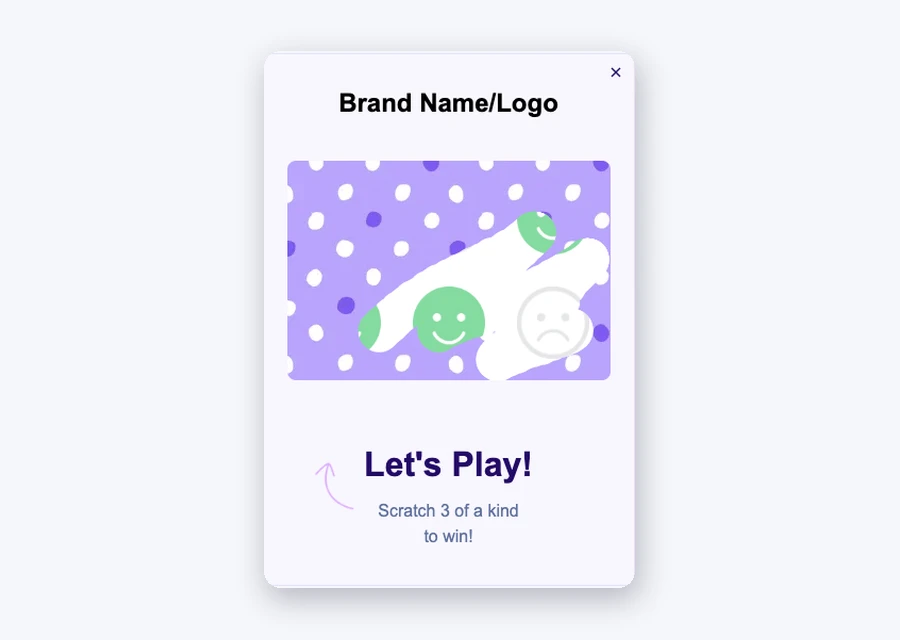
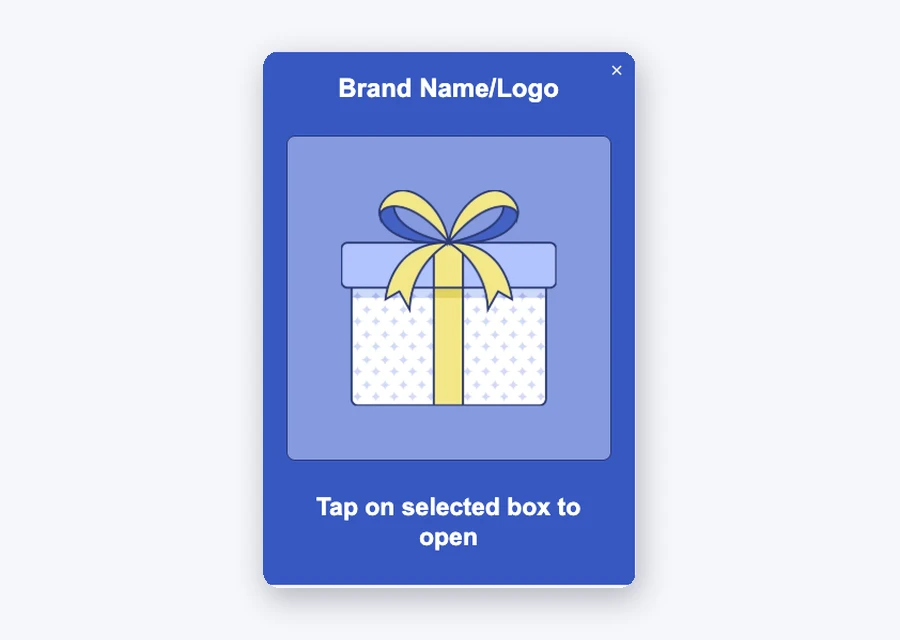
The reward can be a discount, free delivery, a free item, loyalty points, or nothing at all.
The probability behind each one is a number you set, not a default you inherit. A rare prize
can stay rare, and a common one can carry the volume.
Because the odds sit in the campaign rather than in code, changing them mid-campaign is an
edit, not a release.
The Result Does Not Stay in the Popup
This is the part that separates a gamified popup from a novelty. When someone finishes
playing, the outcome is mapped to its own field on their profile, the same way any other
value would be. Won free delivery, won ten per cent, did not win, each one is a value your
CRM can segment on.
The flow you have already built then does the work. A winner can be reminded of an
unredeemed code three days later. Someone who did not win can be sent a different opening
offer. Neither needs a person to sort a list.
One Campaign Across Every Market
A game that has to be rebuilt for each country stops being worth running by about the fourth
storefront. In Fluentos a gamified campaign is built once and localised per market: the
copy, the rewards, and the legal wording that has to change with them.
Prize draws and promotional games are regulated differently across Europe, so the terms
attached to a wheel in Denmark are not always the terms you can attach in Germany. Keeping
those in one campaign rather than in nine copies is the difference between a format you use
often and one you use once.
Where Gamified Popups Earn Their Place
- Peak weeks. Traffic roughly doubles in a sale, so a game reaches enough people
to tell you something inside the week rather than over a quarter.
- Lists that have gone quiet. A returning visitor who has ignored three newsletters
may still spin a wheel.
- Profile enrichment. A game is a reasonable trade for a birthday or a size
preference, which are exactly the fields most CRM records are missing.
- Loyalty tiers. Point the game at a tier rather than at everyone, so the top
tier gets a thank-you and the lowest tier gets a reason to start earning.
What It Takes to Launch
Pick a format, set the rewards and the odds, map each outcome to a CRM field, and choose who
sees it. Publish to test first, check it on your own storefront, then schedule the start and
stop per market so nobody has to switch anything off by hand.
No developer is needed at any point, which is the same reason the rest of Fluentos exists.